
Start With The Room, Not The Sample
A kitchen island in Sandton does not ask for the same edge detail as a vanity in Midrand. Think first about how the room gets used, who leans on the edge, and whether the surface is mostly seen from standing height or touched all day.
Engineered quartz usually takes a crisp profile well because the material is consistent through the slab. Solid-surface sheets can be shaped into softer forms, and that matters where a gentle line suits the cabinetry or where a cleaner curve helps with wipe-downs.
- Busy family kitchen: favour a shape that is easy to brush crumbs from.
- Guest bathroom: a softer profile can suit a lighter cabinet line.
- Shop counter: think about hand contact and daily cleaning around tills or display areas.
The main edge shapes and where each one works best
A square or eased edge gives a neat, modern line. It works well with flat-front cupboards and most contemporary spaces, but the corner should not be so sharp that it catches the hand when you stand close to the counter.
A pencil round softens the top and bottom arris just enough to make the edge friendlier. It is a common choice for homes because it reduces the look of thickness without making the slab feel bulky.
A bevel catches light and can help a thinner top read a little more deliberate. It can be a good match for formal rooms or offices where the joinery already carries strong lines.
A bullnose or full round edge is softer under the palm and kinder in homes with children. It does show the shape more clearly, so it suits spaces where the countertop is part of the room’s visual rhythm.
Thickness, Overhang And How The Edge Reads From Afar
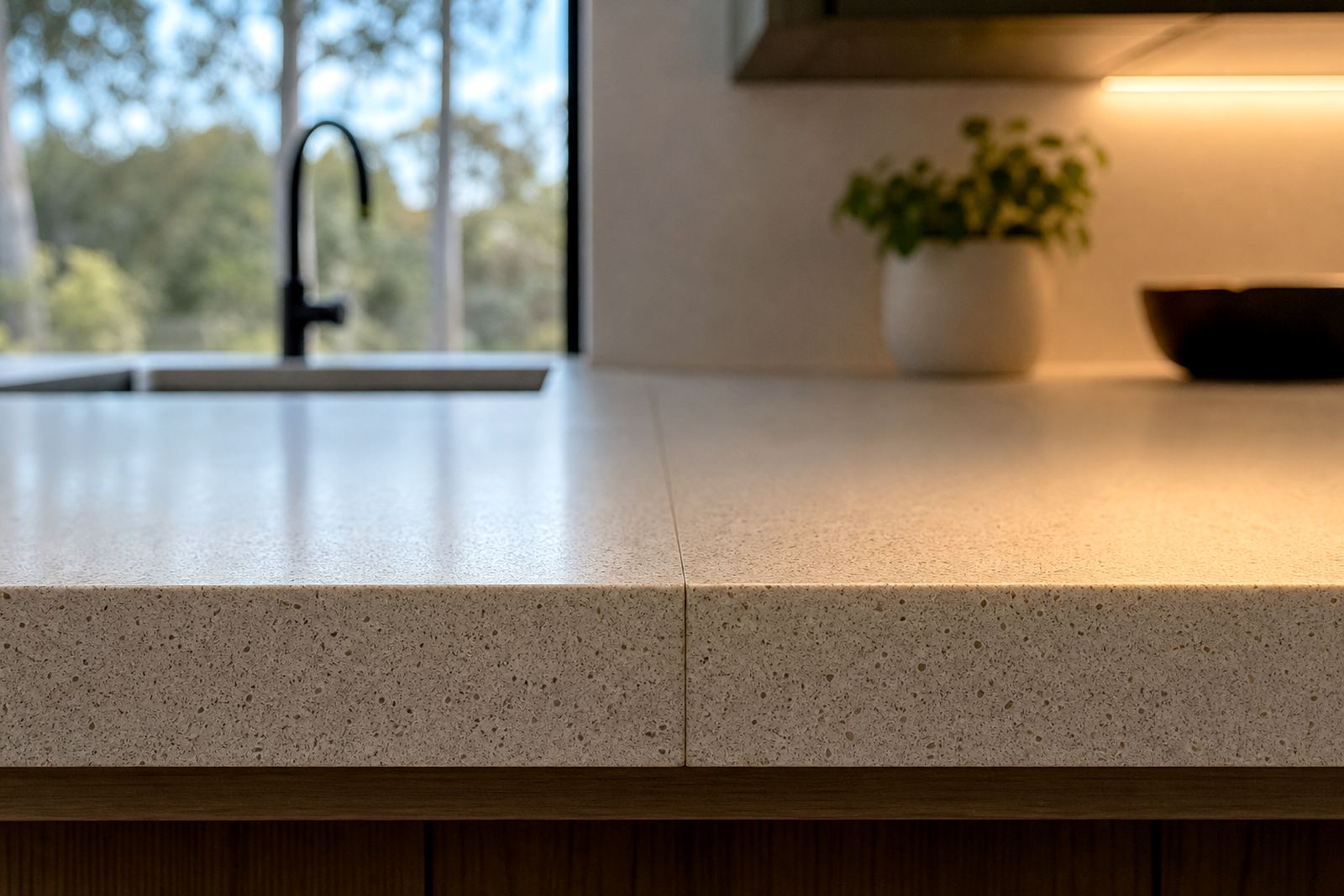
Most engineered quartz countertops are fabricated in common slab thicknesses that suit domestic and commercial work, with the visible edge often built up to create more presence. Solid-surface tops can be shaped differently, and that opens the door to integrated profiles that look continuous rather than layered.
The overhang matters as much as the edge itself. A shallow overhang can make a surface feel trim and tidy, while a deeper one gives more shadow underneath the lip. On a kitchen island in Fourways or a reception counter in Pretoria, the edge line often becomes the first thing people notice.
- Thicker-looking edges suit larger rooms and heavier cabinetry.
- Cleaner, slimmer lines suit compact kitchens and bathrooms.
- Where stools or knees sit close, keep the underside comfortable and unobtrusive.
Sink Cut-Outs, Seams And The Corners Around Them
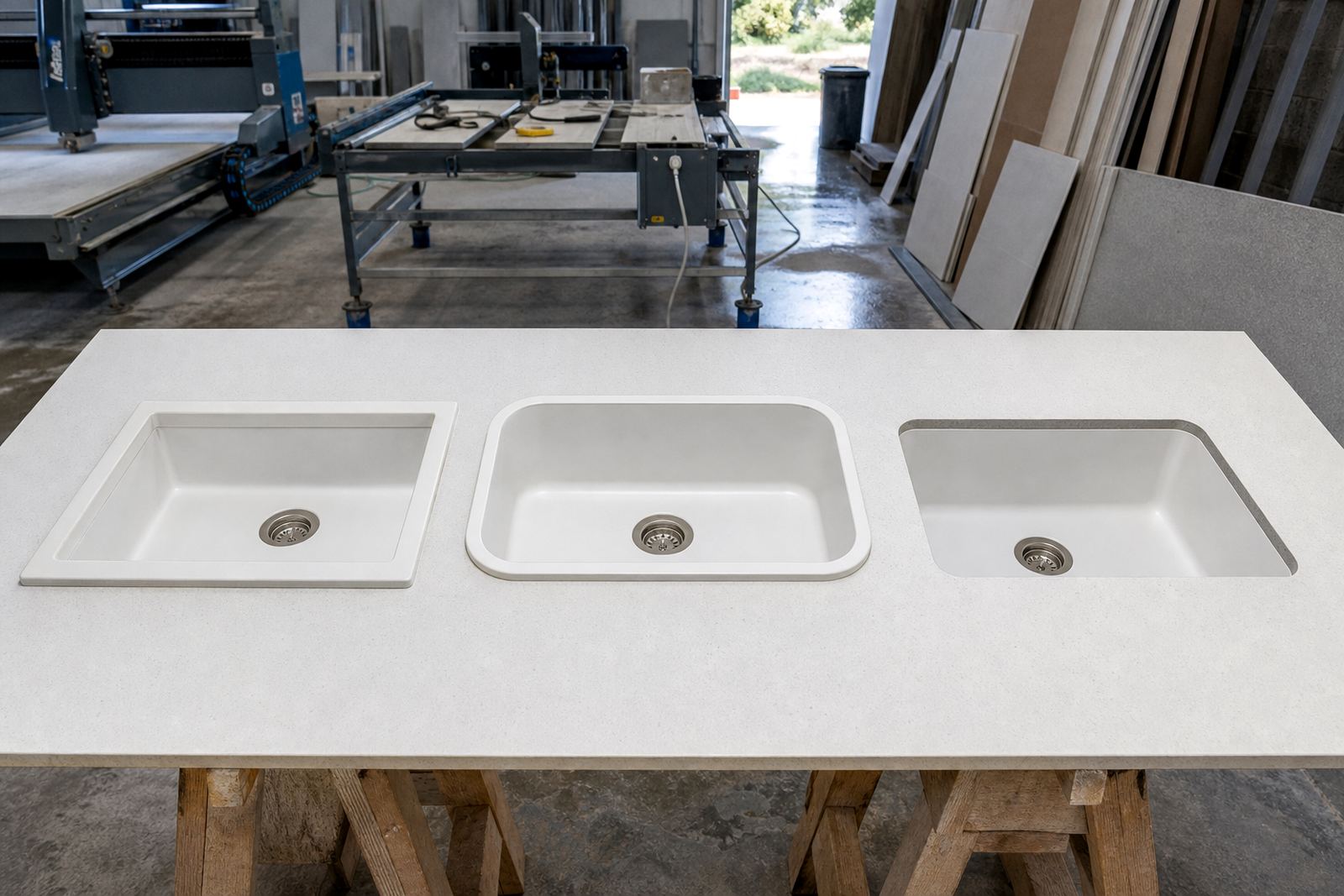
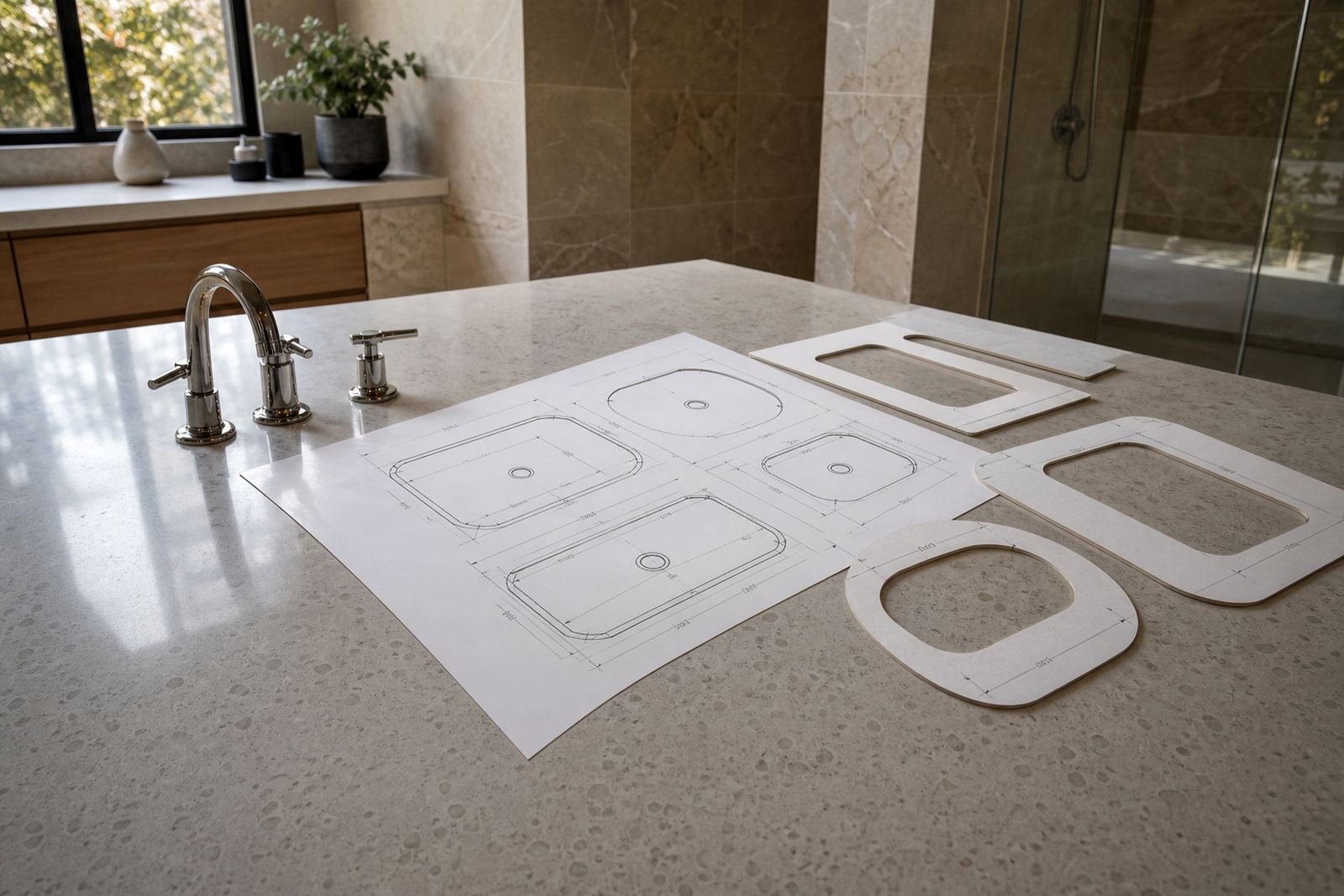
Edge detail should be planned together with sink cut-outs, hob openings and seam positions. A busy edge can crowd the eye if it sits too close to a sink bowl or a mitered corner. A quieter profile often works better around undercounter basins, prep sinks and tighter vanity layouts.
Seams need careful layout planning so they do not land where the edge is most exposed. In an L-shaped kitchen or a long bar top, the join should be placed with the grain direction, support points and visible corners in mind. Good templating helps the finished top look intentional rather than patched together.
For splashbacks, the edge usually needs to settle neatly against the wall line. Where the room walls are out, templating and digital measuring help prevent awkward gaps and odd-looking returns.
Cleaning Habits Matter More Than People Expect
If a surface gets wiped often with a damp cloth and mild cleaner, nearly any sensible edge will stay neat. The trouble starts when juice, oil or bathroom soap residue sits in a ridge or groove. Softer profiles and well-finished edges are easier to keep clean because they do not trap grime in sharp corners.
Quartz is stain resistant in normal kitchen use, but hot pots still need a trivet and harsh scourers should stay away. Solid-surface tops can be renewed more easily if they pick up marks, although they still need sensible care near heat and abrasion. An edge choice should suit the room, not force extra work onto the people using it.
- Prefer simpler edges in kitchens with heavy cooking.
- Choose softer transitions in bathrooms and vanities.
- Avoid intricate detail where dust, soap or flour gathers easily.
Quick checks before you approve the profile
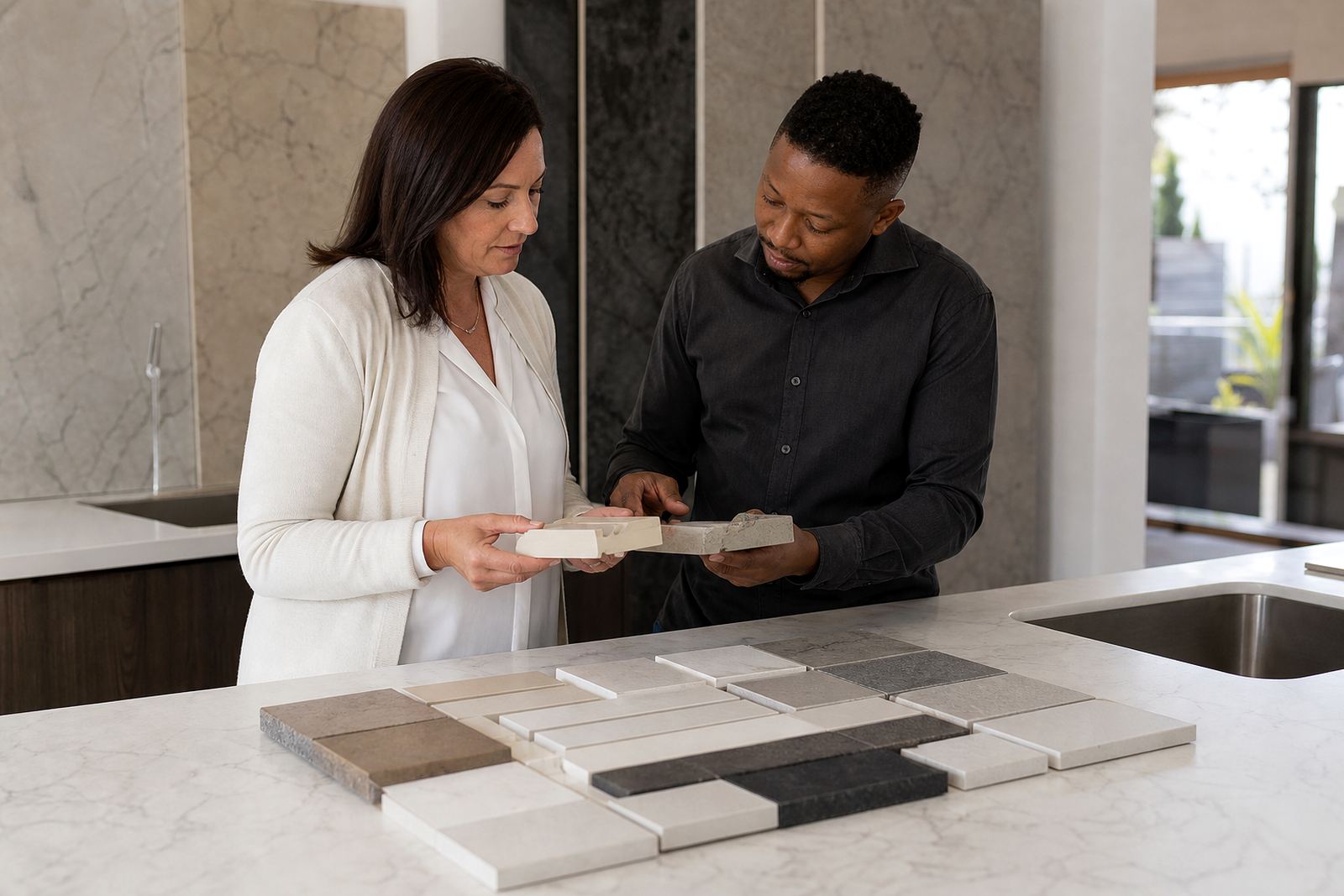
Walk through the room in your head and picture daily use. A good edge profile should feel natural when you lean on the counter, wipe across the front and stand beside the sink. It should also sit comfortably with the cabinet colour, wall tile and hardware finishes.
When we do site templating and fabrication in Strijdom Park, Randburg, the details are checked together: slab layout, edge profile, sink opening, seam positions and final fit. That order keeps the work practical and the finished surface easier to live with.
- Does the edge suit the style of the room?
- Will cleaning be easy around the front and corners?
- Does the profile suit children, guests or daily office use?
- Will the chosen shape work with the sink cut-out and any hob opening?
- Is the look right from standing height and seated height?
When A Softer Line Beats A Sharper One
There are rooms where a strong square edge is exactly right. There are others where a softened profile lifts the whole job without drawing attention to itself. Bathrooms, vanities and compact kitchens often benefit from a gentler edge, while a long office counter may need a clearer line to suit the architecture.
If the room gets a lot of use, start with what is easy to live with and clean. The right edge profile is the one that still looks good after months of hands, cloths, mugs and daily movement across the surface.
For projects across Johannesburg, Sandton, Midrand, Fourways and Pretoria, our contact form is the quickest way to send the room size, material preference and a few photos so the profile can be matched to the job.